
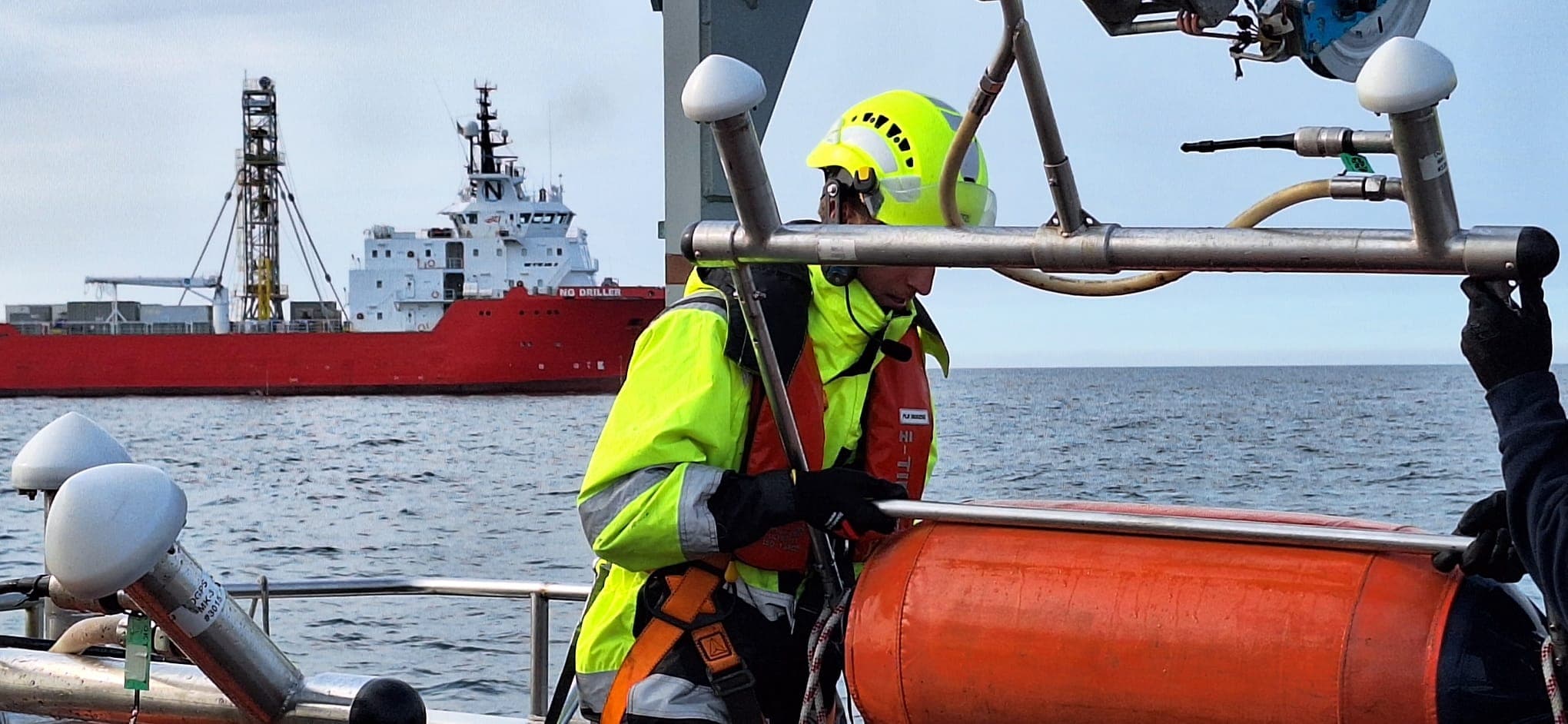
Geophysical Surveys
Looking beneath the surface to mitigate risk and map geology.
Overview
Seeing the Unseen
Geophysical surveys are essential for understanding the seabed composition and sub-seabed stratigraphy before any marine construction or dredging project begins.
At Shore Monitoring & Research, we deploy a suite of non-invasive sensors to detect geological variations, sediment thickness, and buried hazards. Our data provides engineers with the critical information needed to design foundations, plan cable routes, and calculate dredging volumes accurately.
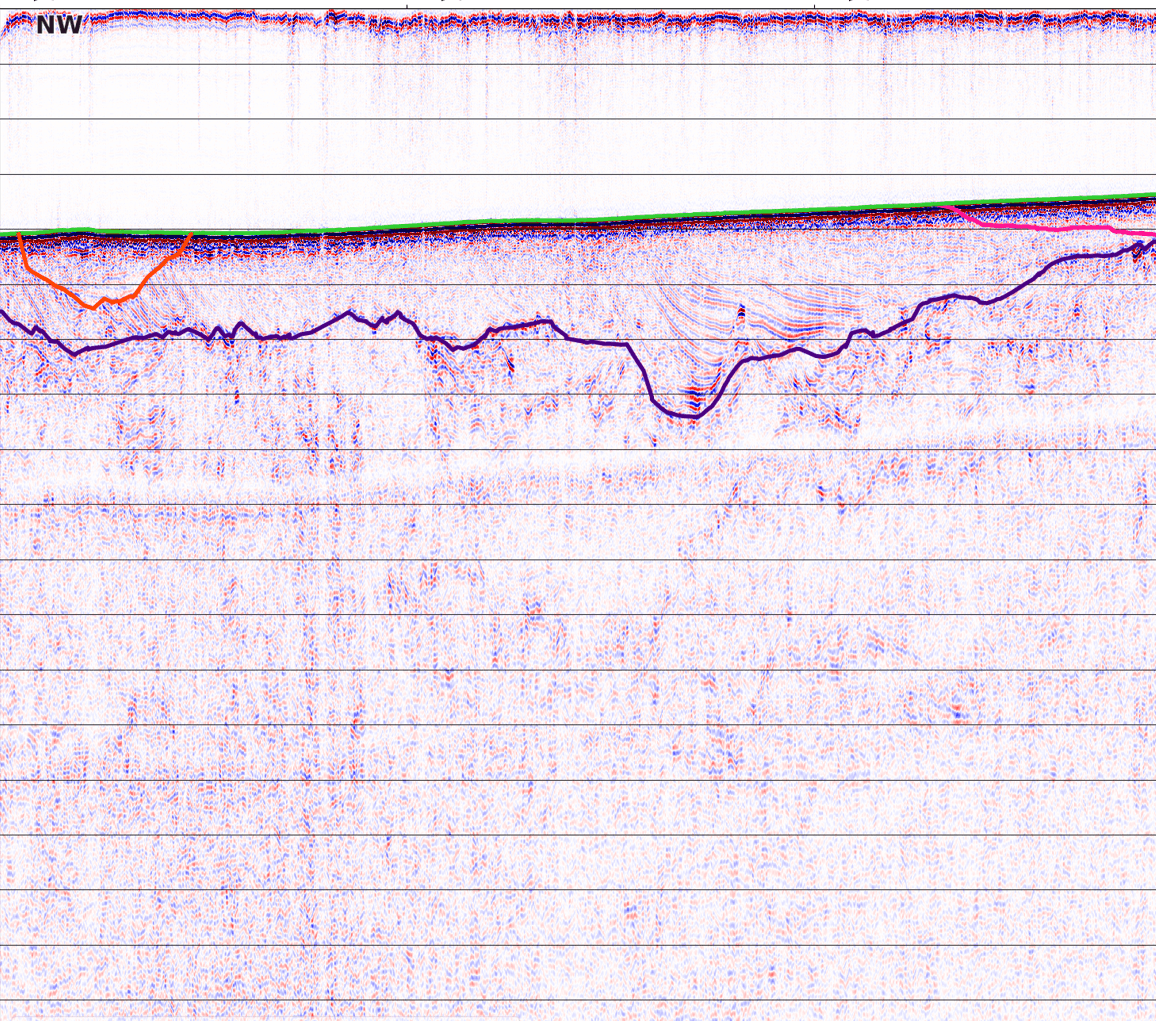
Ultra High Resolution Seismic
Visualizing sediment layers
Key Methodologies
We utilize a combination of acoustic and magnetic techniques to build a complete geological model.
Sub-bottom Profiling
Using low-frequency acoustics (Chirp/Sparker) to penetrate the seabed. This reveals stratigraphy, bedrock depth, and sediment transition layers crucial for dredging and piling.
Side Scan Sonar
Provides a high-resolution acoustic image of the seabed surface. It is used to identify debris, boulders, pipelines, and changes in seabed texture (sand vs. gravel).
Magnetometer and Gradiometer
Detects ferrous distortions in the Earth's magnetic field. Essential for locating buried cables, pipelines, shipwrecks, and Unexploded Ordnance (UXO).
Common Applications
- Cable Route Surveys: Avoiding hard rock and geological hazards.
- Pre-dredge Surveys: Determining volume and type of material to be removed.
- Infrastructure: Mapping bedrock depth for quay wall construction.
- Coastal Monitoring: Mapping coastal morphology and calculating erosion and sedimentation.
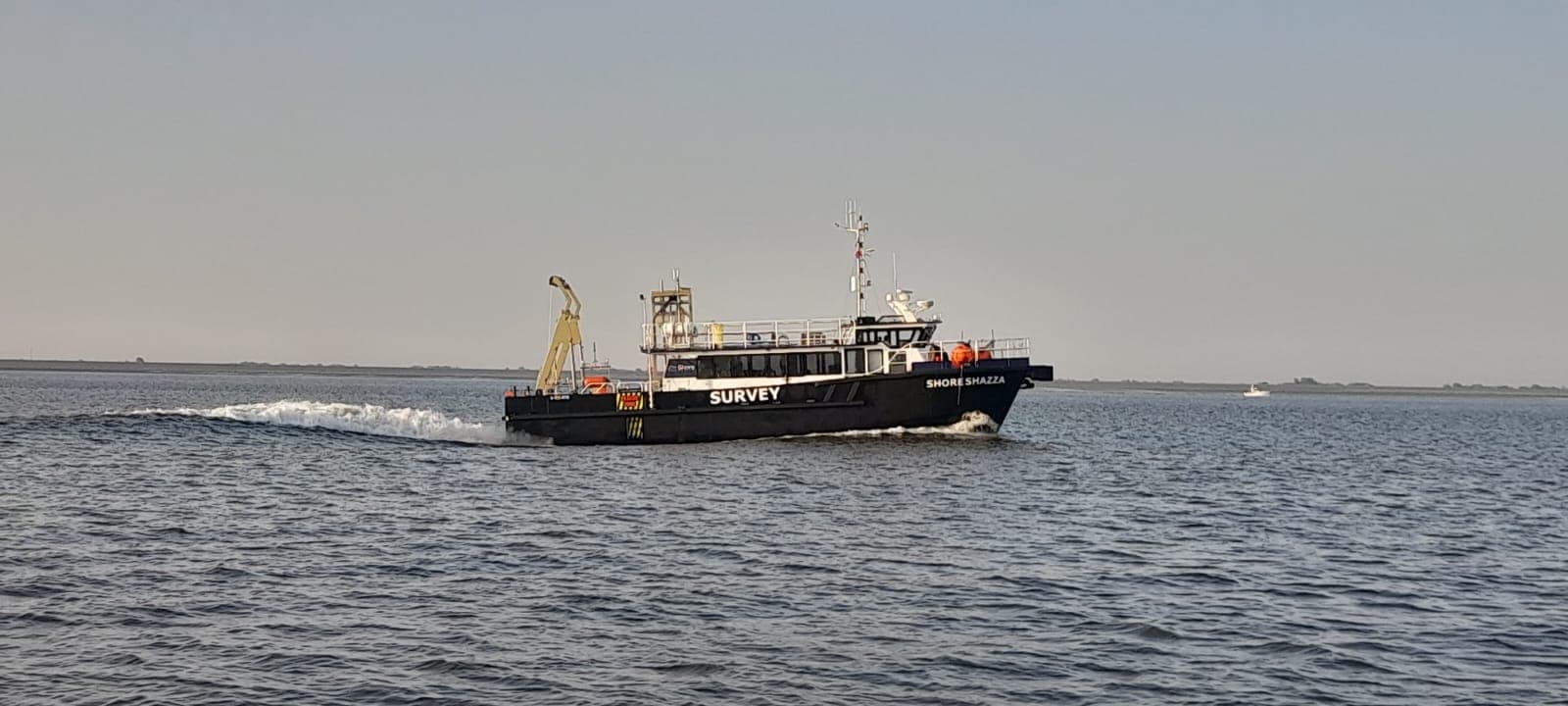
Hydrography
We transform raw sonar data into high-value engineering deliverables. From dredging volume reports to high-resolution bathymetry.

High-Resolution Bathymetry
Detailed 3D Digital Terrain Models (DTM) of the seabed. Essential for navigation safety, port infrastructure planning, and environmental impact assessments.
Volume & Difference Mapping
Precise calculations for dredging operations and coastal erosion monitoring. We compare new survey data against previous baselines to visualize change.
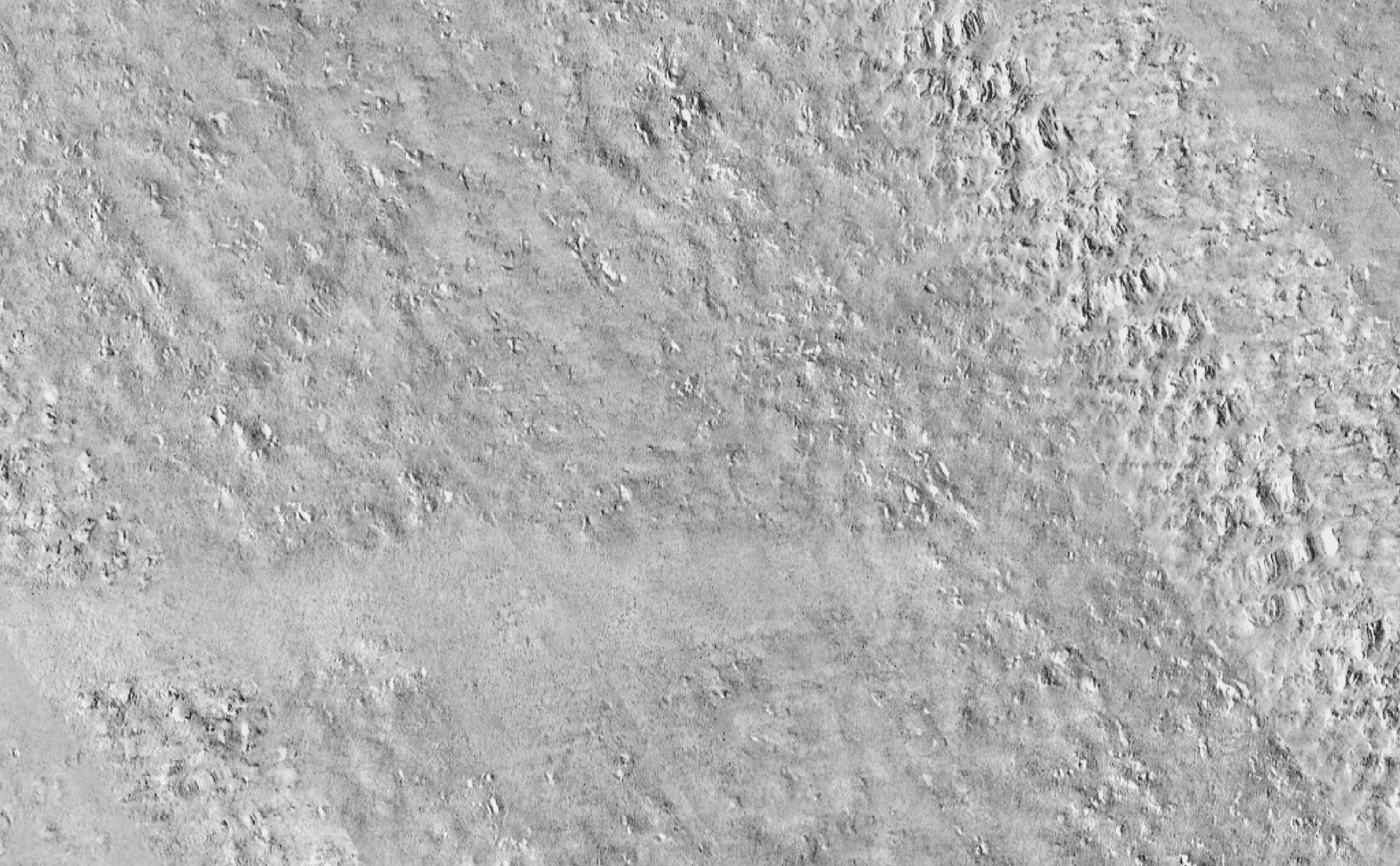
Side Scan Sonar Mosaics
High-frequency acoustic imagery that reveals seabed texture. Ideal for identifying debris, shipwrecks, exposed cables, and sediment classification.
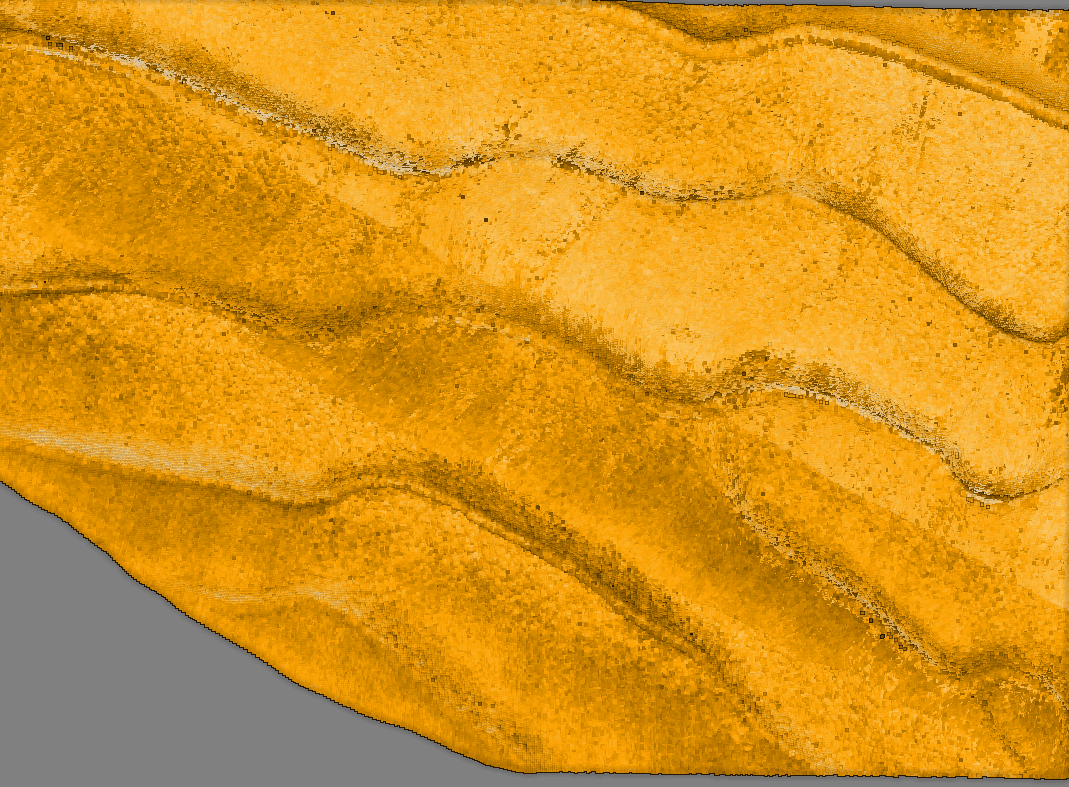
Backscatter Data
Analysis of acoustic intensity returns to characterize seabed composition. Crucial for distinguishing between rock, sand, gravel, and silt.
Topography
Seamless water-to-land models. We specialize in eliminating the data gap between the wet and dry domains using LiDAR, Photogrammetry, and GNSS.
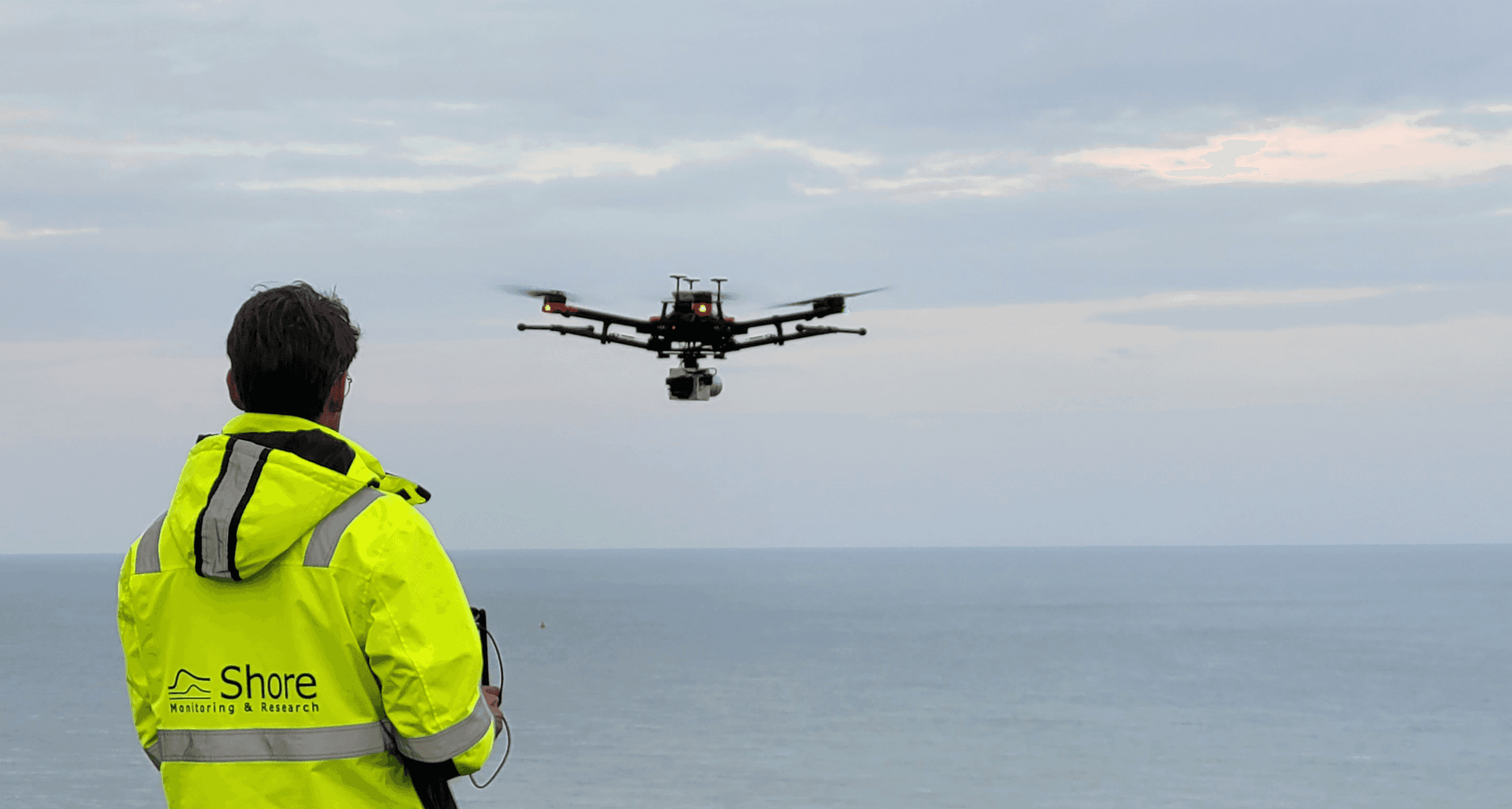
LiDAR Scanning
Light Detection and Ranging captures millions of precise data points. Ideal for penetrating vegetation to map the true ground level of dunes and coastal hinterlands.
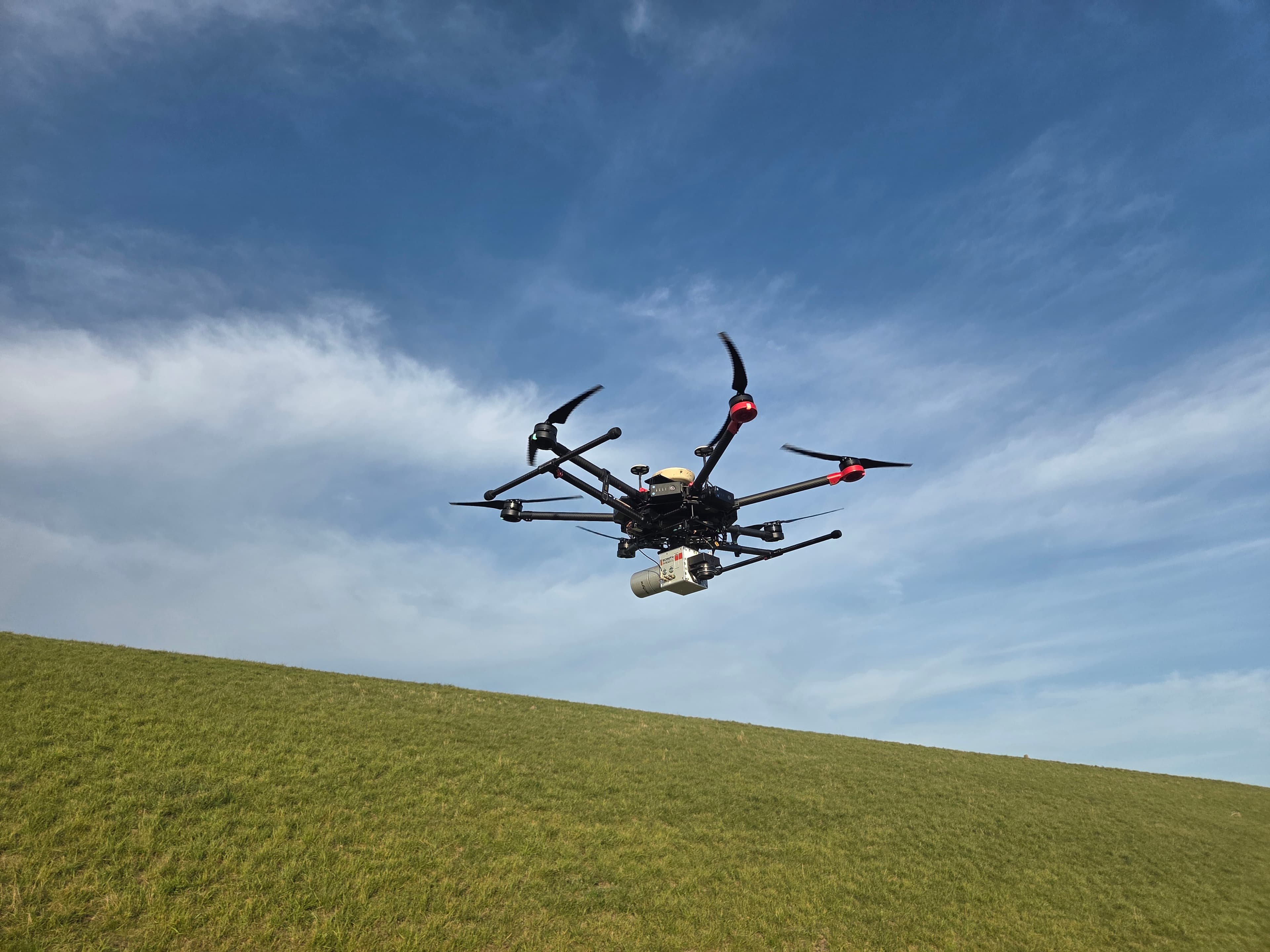
Drone (UAV) Surveys
Rapid aerial mapping of large or inaccessible areas. Our fleet allows for safe, efficient, and frequent data collection for erosion monitoring.
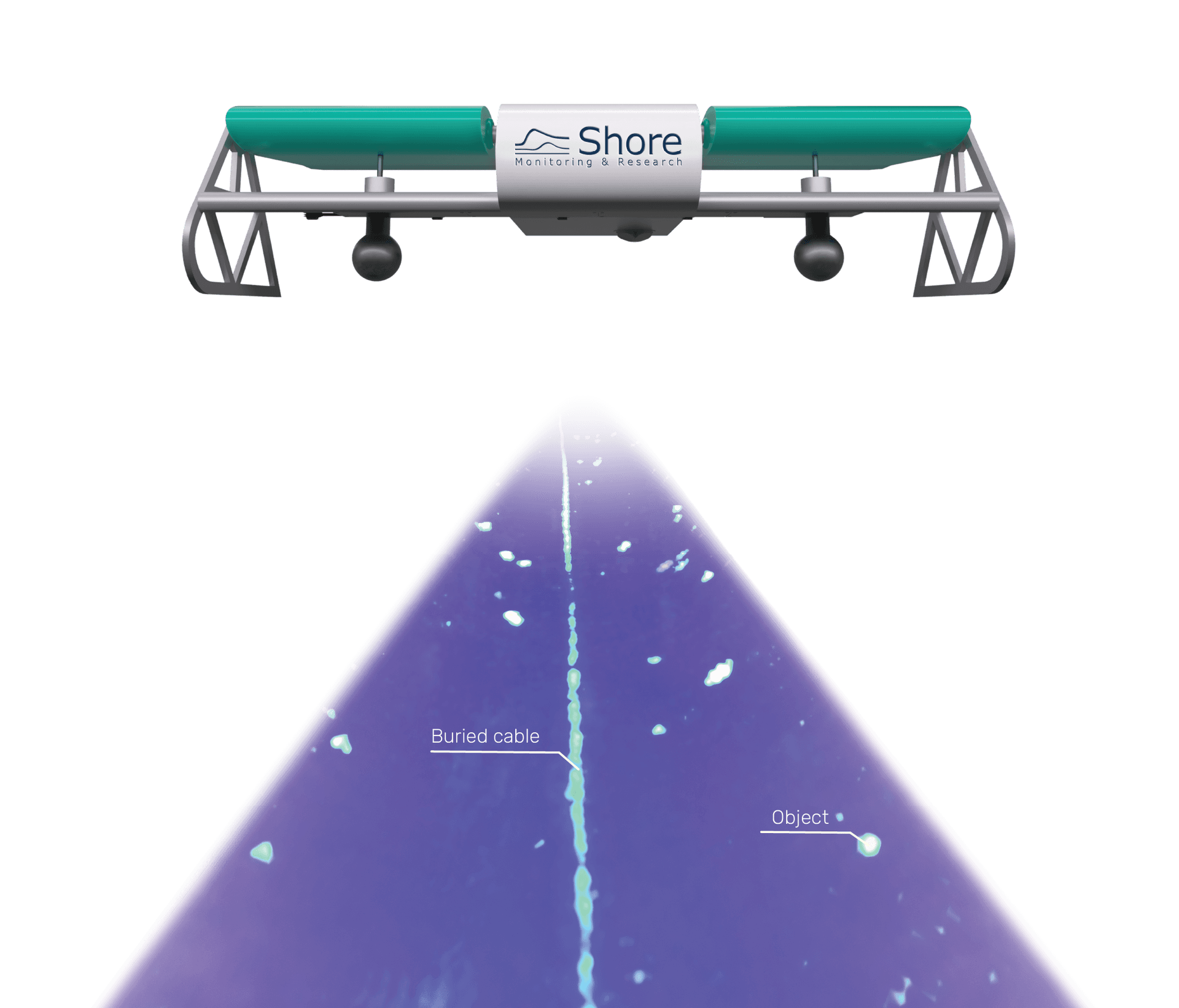
Innovation Spotlight: The EBOSS
Enhanced Bottom Object Scanning Sonar
We are poised to revolutionize sub-bottom imaging. Unlike traditional 2D profiling, the EBOSS allows us to look into the seabed with full 3D coverage, ensuring zero blind spots for buried boulders and UXO.